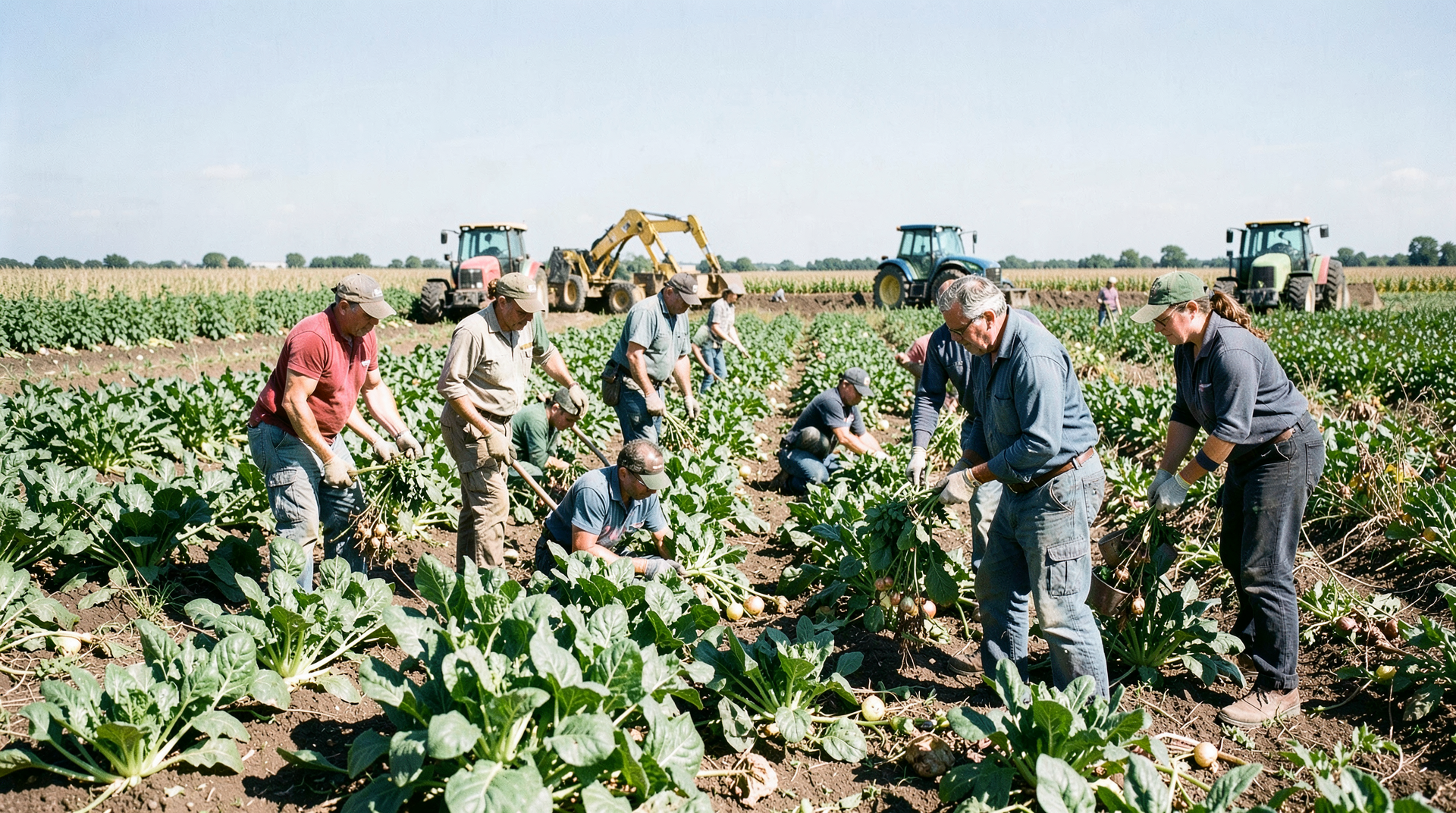
Canada offers opportunities for foreign workers in its agricultural sector, particularly through programs designed to address labor shortages. These programs can lead to temporary employment in farming, but securing a position requires meeting specific criteria and navigating a structured application process.
It is important to understand that while demand for agricultural workers exists, visa sponsorship is not guaranteed, and competition for these roles can be significant. Success depends on legitimate job offers from approved employers.
At a Glance
- Typical salary: CAD 15-25 per hour
- Visa route: Temporary Foreign Worker Program (TFWP) / Seasonal Agricultural Worker Program (SAWP)
- Processing time: Roughly 4-12 weeks
- Top requirements: Job offer, valid passport, relevant experience
Eligibility self-check
Quick self-check: could Canada’s farm streams fit you?
This interactive self-check needs JavaScript. You can go straight to the official source instead: Canada.ca — TFWP Agricultural Stream (official)
Understanding Canada’s Agricultural Work Programs
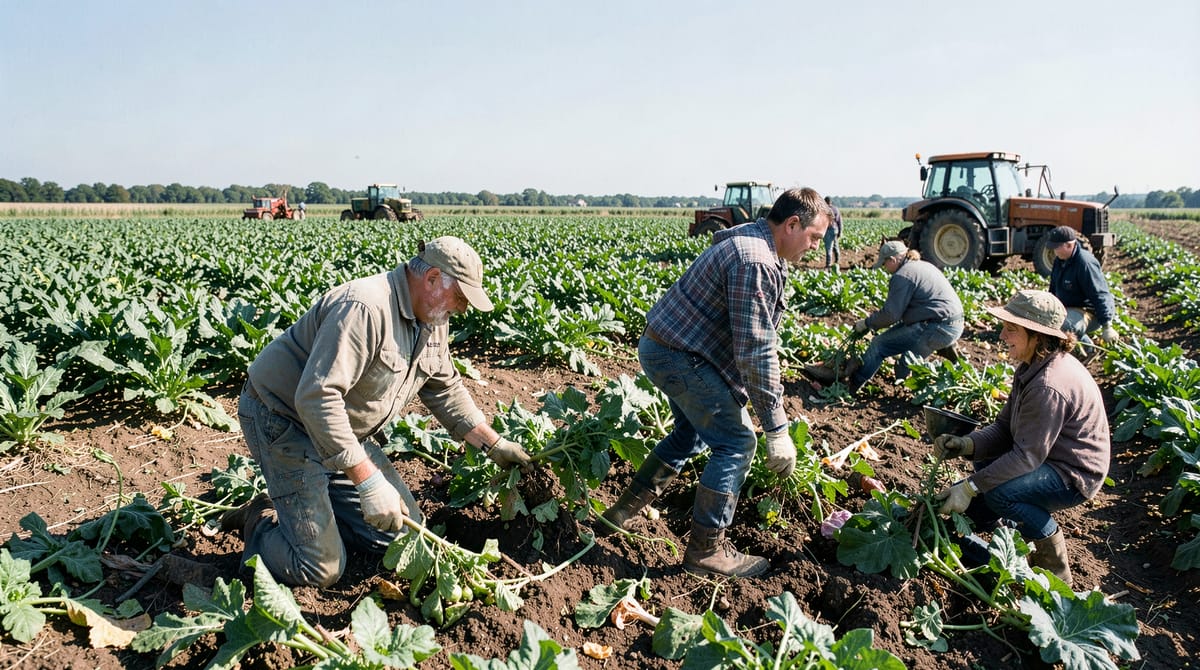
Canada’s agricultural sector relies on temporary foreign workers to fill labor gaps, especially during peak seasons. The primary pathways for foreign nationals seeking farm jobs with visa sponsorship are the Temporary Foreign Worker Program (TFWP) and the Seasonal Agricultural Worker Program (SAWP).
These programs are employer-driven, meaning a Canadian employer must obtain authorization to hire a foreign worker. This authorization typically comes in the form of a Labour Market Impact Assessment (LMIA) from Employment and Social Development Canada (ESDC).
An LMIA confirms that there is a need for a foreign worker because no Canadian citizens or permanent residents are available to do the job. It also ensures that hiring a foreign worker will not negatively impact the Canadian labor market.
The Seasonal Agricultural Worker Program (SAWP)
SAWP is a specific stream within the TFWP designed for workers from participating countries to fill seasonal agricultural jobs. It allows eligible employers to hire temporary foreign workers when Canadians and permanent residents are not available.
Workers under SAWP can stay for a maximum of 8 months in Canada between January 1st and December 15th. The program primarily covers jobs related to on-farm primary agriculture, such as planting, cultivating, and harvesting.
Participating countries for SAWP include Mexico and various Caribbean nations. Workers from other countries typically fall under the broader TFWP agricultural streams.
The Temporary Foreign Worker Program (TFWP) for Agriculture
For agricultural jobs not covered by SAWP or for workers from non-SAWP countries, the general TFWP applies. This stream also requires employers to obtain a positive LMIA.
Agricultural streams under the TFWP can include a wider range of roles beyond seasonal harvesting, such as greenhouse workers, livestock laborers, and specialized equipment operators. The duration of work permits can vary depending on the LMIA and the specific job offer.
Both SAWP and TFWP workers are subject to Canadian labor laws and protections. Employers are required to provide adequate housing, transportation, and ensure workplace safety.
Realistic Salaries for Farm Jobs in Canada
Salaries for farm jobs in Canada vary depending on the province, the type of work, and the worker’s experience. Wages are generally set at or above the provincial minimum wage.
Many positions, especially under SAWP, are paid hourly. Employers are required to pay wages that meet or exceed prevailing wage rates for the occupation and region.
Accommodation costs, if provided by the employer, are typically deducted from wages. Workers should clarify all deductions before accepting a job offer.
| Role / Experience Level | Approximate Hourly Wage Range (CAD) |
|---|---|
| Entry-Level Farm Worker | 15 – 18 |
| Experienced Harvester / Cultivator | 17 – 20 |
| Greenhouse/Nursery Worker | 16 – 19 |
| Livestock Worker | 18 – 22 |
| Farm Equipment Operator | 20 – 25+ |
Key Requirements for Visa Sponsorship
To be eligible for a Canadian farm job with visa sponsorship, both the employer and the foreign worker must meet specific criteria. The process begins with a legitimate job offer from an approved Canadian employer.
For the worker, the main requirements typically include:
- A valid job offer from a Canadian employer with a positive LMIA (unless exempt).
- A valid passport from their home country.
- Proof of relevant agricultural work experience, often 1-2 years, depending on the role.
- Meeting the general eligibility criteria for a Canadian work permit, including good health and no criminal record.
- Demonstrating intent to leave Canada once the work permit expires.
- For SAWP, being a citizen of one of the participating countries.
- Some roles may require specific certifications or language proficiency, though often basic English or French is sufficient for many farm jobs.
The employer must demonstrate efforts to recruit Canadian citizens and permanent residents before hiring a foreign worker. They also must meet program requirements regarding wages, working conditions, and housing.
Finding Legitimate Farm Job Opportunities
Finding a genuine farm job with visa sponsorship requires diligence and focusing on official channels. Beware of any offers that seem too good to be true or ask for upfront payments.
The most reliable source for job postings requiring LMIAs is the Canadian government’s official job board.
Job Bank Canada
The primary official platform for finding jobs in Canada, including those with LMIA approval, is Job Bank Canada (jobbank.gc.ca). Employers who receive a positive LMIA are required to advertise their positions here.
When searching, look for job postings that explicitly state ‘LMIA approved’ or ‘Canadian employers are looking for foreign workers’. You can filter searches by location, occupation (e.g., ‘farm worker’, ‘agricultural labourer’), and other criteria.
This is the most direct way to connect with employers who have already gone through the LMIA process, or are willing to do so.
Provincial Job Boards and Agricultural Associations
Many Canadian provinces also have their own job boards or agricultural associations that list farm employment opportunities. For example, provincial agricultural federations often have career sections.
While these may not always specify LMIA approval, they can lead you to legitimate employers who might be open to sponsoring foreign workers. Always verify an employer’s legitimacy before proceeding.
Mainstream Job Boards
Reputable international job boards like Indeed and Reed also list Canadian farm jobs. However, when using these sites, it’s crucial to exercise caution.
Always cross-reference any potential employer or job offer found on these platforms with information on Job Bank Canada or official provincial registries. Legitimate employers will not ask for money for visa processing or guaranteed jobs.
You might also find it helpful to research other temporary work programs, such as Australia’s fruit picking visas, if you are exploring options beyond Canada.
Step-by-Step Application Process
The application process for a Canadian farm job with visa sponsorship typically follows these steps:
- Find a Job Offer: Search for legitimate job postings on Job Bank Canada or other verified platforms. Identify employers who are willing to sponsor foreign workers and have a positive LMIA, or are willing to obtain one.
- Apply for the Job: Submit your resume and cover letter directly to the employer. Highlight your relevant agricultural experience and skills.
- Receive a Job Offer & LMIA: If selected, the employer will provide you with an official job offer letter and, if applicable, a copy of the positive LMIA. This LMIA will specify the job, wages, and duration.
- Apply for a Work Permit: Once you have a job offer and LMIA (if required), you can apply for a work permit through Immigration, Refugees and Citizenship Canada (IRCC). This application will require your passport, job offer, LMIA, and other supporting documents.
- Undergo Medical Exams and Biometrics: Depending on your country of origin and the duration of your stay, you may need to undergo a medical examination by an IRCC-approved panel physician and provide biometrics (fingerprints and photo).
- Receive Your Work Permit: If approved, you will receive a Port of Entry Letter of Introduction. This letter, along with your passport and other documents, will be presented to an immigration officer upon arrival in Canada, who will then issue your work permit.
The processing time for work permits can vary significantly, often ranging from 4 to 12 weeks, depending on the volume of applications and the applicant’s country of origin.
Frequently Asked Questions
Can I bring my family with me on a farm work permit?
Generally, temporary agricultural work permits, particularly SAWP, are designed for individual workers. Spouses and dependents typically cannot accompany SAWP workers. For other TFWP streams, it may be possible, but depends on the specific work permit conditions and the worker’s salary, which must be sufficient to support dependents. Always check IRCC guidance.
Do I need to speak English or French to work on a Canadian farm?
While some basic communication skills in English or French are often beneficial for safety and workplace integration, many agricultural roles do not require high levels of language proficiency. The specific requirement depends on the employer and the nature of the job. Some employers may hire workers who speak other languages, especially if they have supervisors who speak that language.
What are the costs involved in applying for a work permit?
The primary cost is the work permit application fee, which is currently CAD 155. There may also be fees for biometrics (CAD 85) and potentially a medical examination. Legitimate employers will never charge you for an LMIA or for visa processing assistance. Be wary of any requests for upfront payments beyond official government fees.
Is it possible to get permanent residency after working on a farm?
While working in agriculture provides valuable Canadian work experience, it does not automatically lead to permanent residency. However, some provincial nominee programs (PNPs) have streams for agricultural workers, and this experience can contribute to eligibility for other economic immigration programs. You would need to meet the specific criteria of those programs.
What are my rights as a temporary foreign worker in Canada?
Temporary foreign workers in Canada have the same labor rights and protections as Canadian citizens and permanent residents. This includes rights regarding minimum wage, working hours, workplace safety, and protection against abuse. If you believe your rights are being violated, you can contact your provincial labor ministry or IRCC.
Warning: How to Spot Job Scams
The demand for Canadian farm jobs can attract fraudulent recruiters and scammers. It is crucial to be vigilant and protect yourself.
Fake recruiters: Be suspicious of individuals or agencies claiming to be recruiters who do not have a verifiable online presence or official contact information. Always verify their credentials.
Upfront "visa fees": Legitimate employers will never ask you to pay for an LMIA, a job offer, or for processing your work permit application beyond the official government fees. Any request for payment directly to the employer or a third-party for "guaranteed" processing is a major red flag.
WhatsApp/Telegram offers: Be extremely cautious of job offers received solely through messaging apps like WhatsApp or Telegram. Official communication from employers or government bodies will typically be via email or official portals.
Guaranteed-job promises: No one can guarantee you a visa or a job in Canada. The process involves multiple stages of approval. Promises of "guaranteed" jobs or visas are almost always fraudulent.
Employers never charge candidates for sponsorship: A fundamental rule is that a legitimate employer hiring through the TFWP or SAWP will not charge the foreign worker for the LMIA or recruitment fees. These costs are the employer’s responsibility. If an employer asks you to pay these fees, it is a scam.
Conclusion
Canadian farm jobs with visa sponsorship offer a genuine pathway for temporary work in the agricultural sector. Programs like the TFWP and SAWP are critical to meeting Canada’s labor needs.
However, securing one of these positions requires a legitimate job offer from an approved employer, meeting specific eligibility criteria, and navigating a structured application process. Demand for these roles is high, and competition can be significant.
Timelines for processing can be long, and it is essential to rely only on official government websites and established job boards for information and opportunities. Vigilance against scams is paramount throughout your job search.
You May Also Like
- Fully Funded Scholarships Abroad 2026: Major Programs and How to Apply
- Poland Factory Jobs for Foreigners: Work Permits, Agencies and Real Wages
- Cleaning Jobs Abroad With Visa Sponsorship: Which Countries Actually Hire
- Canada Hotel and Hospitality Jobs With Sponsorship: What Employers Really Offer
- Germany Factory Worker Visa Options: The Skilled Immigration Act Explained