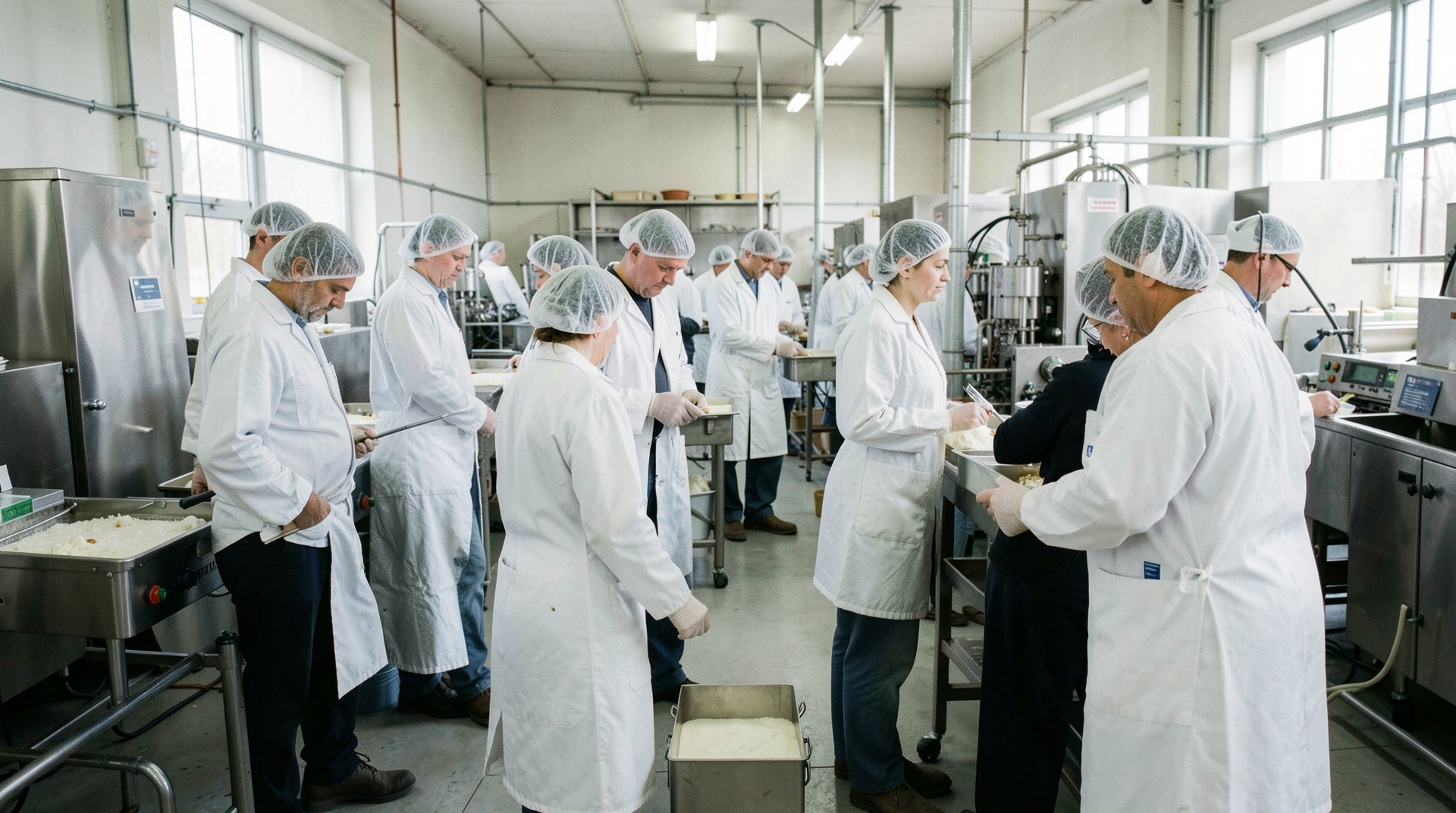
Poland’s manufacturing sector offers various opportunities for foreign workers, particularly in factory settings. While demand exists, securing such a position involves navigating specific work permit requirements and understanding the local labor market conditions.
This guide aims to provide a realistic overview of the process, including typical wages, necessary documentation, and advice on identifying legitimate job offers.
At a Glance
- Typical salary: 3,500 – 5,500 PLN gross per month
- Visa route: National D-type Visa (Work Permit based)
- Processing time: Typically 2-4 months for work permit and visa
- Top requirements: Valid passport, employer sponsorship, clean criminal record

Understanding the Polish Work Permit System
To work legally in Poland, most non-EU/EEA citizens require a work permit and a national D-type visa. The work permit is typically applied for by your prospective employer.
There are several types of work permits, but for factory jobs, Type A (when a foreigner works for an employer based in Poland) is the most common. The employer must demonstrate that no suitable Polish or EU/EEA candidate could be found for the position.
After the work permit is issued, you can apply for a national D-type visa at the Polish consulate or embassy in your country of residence. This visa allows you to enter Poland and begin working.
Realistic Salaries for Factory Workers in Poland
Wages for factory workers in Poland can vary significantly based on the industry, type of work, location, and your experience level. The national minimum wage provides a baseline, which is periodically adjusted by the government.
As of recent guidance, the minimum gross monthly wage in Poland is approximately 4,242 PLN. Many entry-level factory positions may offer slightly above this minimum, especially with shift work or overtime.
It’s important to understand that the figures below are gross salaries, meaning taxes and social security contributions will be deducted. Net (take-home) pay will be lower.
| Role / Experience Level | Approximate Gross Monthly Salary (PLN) |
|---|---|
| Entry-Level Production Worker | 3,500 – 4,500 PLN |
| Experienced Machine Operator | 4,500 – 5,500 PLN |
| Warehouse Worker / Forklift Operator | 4,000 – 5,200 PLN |
| Team Leader / Supervisor (Entry) | 5,500 – 7,000 PLN |
Consider that the cost of living in Poland, particularly outside major cities like Warsaw or Krakow, can be significantly lower than in Western Europe. This can make the net income more impactful.
Key Requirements for Polish Factory Jobs
While specific requirements vary by employer and role, some general criteria apply to most foreign workers seeking factory jobs in Poland.
A valid passport is fundamental, along with any educational or vocational qualifications relevant to the role. Employers often look for individuals who can demonstrate reliability and a willingness to learn.
- Valid Passport: Must be valid for at least 6 months beyond your intended stay.
- Work Permit (Type A): Secured by your employer in Poland.
- National D-type Visa: Obtained after work permit approval.
- Clean Criminal Record: May be required for visa applications.
- Medical Certificate: To confirm fitness for work.
- Basic English or Polish: While not always mandatory, basic communication skills are highly beneficial for workplace integration and safety.
- Relevant Experience: Experience in manufacturing, production, or logistics can be an advantage but is not always required for entry-level roles.
Some roles, particularly those involving machinery operation, might require specific certifications or training. These are typically outlined in the job description.
Finding Legitimate Factory Jobs and Agencies
It is crucial to use official and reputable channels when searching for jobs in Poland. Beware of any offers that seem too good to be true or demand upfront payments.
Official government portals and mainstream job boards are the safest places to begin your search. Recruitment agencies can also be helpful, but they must be licensed and transparent.
Official Job Search Channels
Start your job search on well-established platforms. These sites host listings from direct employers and verified recruitment agencies.
- EURES (European Employment Services): This portal is run by the European Commission and provides information and job vacancies across Europe, including Poland. It’s a good starting point for understanding the European labor market.
- Polish Public Employment Services: The official government employment offices in Poland (Urzędy Pracy) often list vacancies, though these are primarily in Polish.
- Mainstream Job Boards: Websites like Indeed.pl, Pracuj.pl (a major Polish job board), and LinkedIn are widely used by Polish companies to advertise vacancies. You can filter by industry (e.g., manufacturing, production) and location.
When searching for opportunities, type in keywords such as “factory worker Poland,” “production operative Poland,” or specific roles like “machine operator Poland.”
Working with Recruitment Agencies
Many Polish factories utilize recruitment agencies to find foreign workers. If you choose to work with an agency, ensure its legitimacy.
- Check Agency Registration: Verify if the agency is registered with the Polish National Labour Inspectorate (Państwowa Inspekcja Pracy – PIP). Legitimate agencies will have a registration number.
- Read Reviews: Search for online reviews and testimonials, but be discerning.
- Clarify Fees: Reputable agencies should not charge you, the job seeker, for their services. Their fees are paid by the employer. Any agency demanding payment from you for job placement or visa processing should be avoided.
Always communicate directly with the potential employer or the official agency contact. Never share personal financial details or pay money to individuals claiming to represent an agency.
Step-by-Step Application Process
The general application process for a factory job in Poland, involving work permit sponsorship, typically follows these steps:
- Job Search and Application: Find suitable factory roles on official job boards or through verified agencies. Submit your CV and cover letter as requested.
- Interview Process: If your application is successful, you will likely undergo an interview, which may be conducted remotely (e.g., via video call).
- Job Offer: A legitimate employer will extend a formal job offer, outlining your role, salary, and terms of employment.
- Work Permit Application: Your employer in Poland will apply for a work permit (typically Type A) on your behalf to the local Voivodeship Office (Urząd Wojewódzki). This step can take several weeks to a few months.
- Work Permit Issuance: Once approved, the work permit document is issued to your employer. They will then send you a copy.
- National D-Type Visa Application: With your work permit in hand, apply for a national D-type visa at the Polish embassy or consulate in your country of residence. You will need to submit various documents, including your passport, work permit copy, job offer letter, and proof of accommodation.
- Visa Issuance and Travel: If your visa application is approved, you will receive your visa. You can then travel to Poland.
- Registration Upon Arrival: Upon arrival, you may need to register your address (meldunek) and obtain a PESEL number (national identification number) for administrative purposes. Your employer should assist you with these initial steps.
The entire process, from job offer to arrival in Poland, can take approximately 2 to 4 months, sometimes longer depending on the workload of the Polish authorities and your local consulate. Patience is key.
For those interested in exploring other international work opportunities, resources like our guide on Caregiver Jobs in Canada With Sponsorship offer insights into different immigration pathways.
Frequently Asked Questions
How much does it cost to get a Polish work permit and visa?
The fees for a work permit are typically paid by the employer in Poland. The visa application fee for a national D-type visa is usually around 80 EUR, paid at the consulate. Be cautious of any party asking you for high fees for these official processes.
Do I need to speak Polish to work in a factory?
While not always strictly required for entry-level roles, basic English is often sufficient, especially in factories with a diverse workforce. However, learning some basic Polish phrases will significantly help with daily life and integration, and may even be preferred by some employers.
Can my family join me if I get a factory job in Poland?
Once you are legally employed in Poland and hold a valid residence permit, you may be able to apply for family reunification for your spouse and minor children. This process involves separate applications and requirements, typically after you have established yourself in Poland.
What is the typical length of a work permit for factory jobs?
Work permits for factory jobs are typically issued for a period of up to 1 to 3 years. They can often be extended if you continue to be employed by the same employer and meet the necessary conditions.
Are there opportunities for career progression in Polish factories?
Yes, many larger factories offer opportunities for career progression. With experience, additional training, and demonstrating good performance, you might advance to roles like team leader, quality control specialist, or specialized machine operator. Learning Polish can also open more doors.
Warning: How to Spot Job Scams
The demand for foreign workers in Poland can unfortunately attract fraudsters. It is vital to remain vigilant throughout your job search.
Legitimate employers and recruitment agencies will never ask you for money to secure a job offer, process a work permit, or guarantee a visa. These are major red flags.
Be wary of offers received via unofficial channels like WhatsApp or Telegram, especially if they promise extremely high salaries for little effort or demand immediate payment for “visa processing fees” or “document authentication.” Authentic communication typically occurs via official company email addresses.
A legitimate employer who wishes to sponsor your work permit will bear the costs associated with the work permit application itself. They will also provide clear, verifiable contact information and be registered businesses in Poland. Any pressure to make quick decisions or transfer money should be a warning sign.
Conclusion
Poland offers concrete opportunities for foreign workers in its manufacturing sector. While demand for factory workers is generally high, competition for roles can also be significant. The process involves securing a legitimate job offer, obtaining a work permit through employer sponsorship, and then applying for a national D-type visa.
The timeline for these processes can be lengthy, typically spanning several months. By focusing on official channels, verifying all offers, and understanding the realistic salary expectations and requirements, you can navigate the path to working in a Polish factory effectively.
Patience and careful verification are essential to a successful and safe transition.
You May Also Like
- Canada Farm Jobs With Visa Sponsorship: TFWP and SAWP Explained
- Fully Funded Scholarships Abroad 2026: Major Programs and How to Apply
- Cleaning Jobs Abroad With Visa Sponsorship: Which Countries Actually Hire
- Canada Hotel and Hospitality Jobs With Sponsorship: What Employers Really Offer
- Germany Factory Worker Visa Options: The Skilled Immigration Act Explained