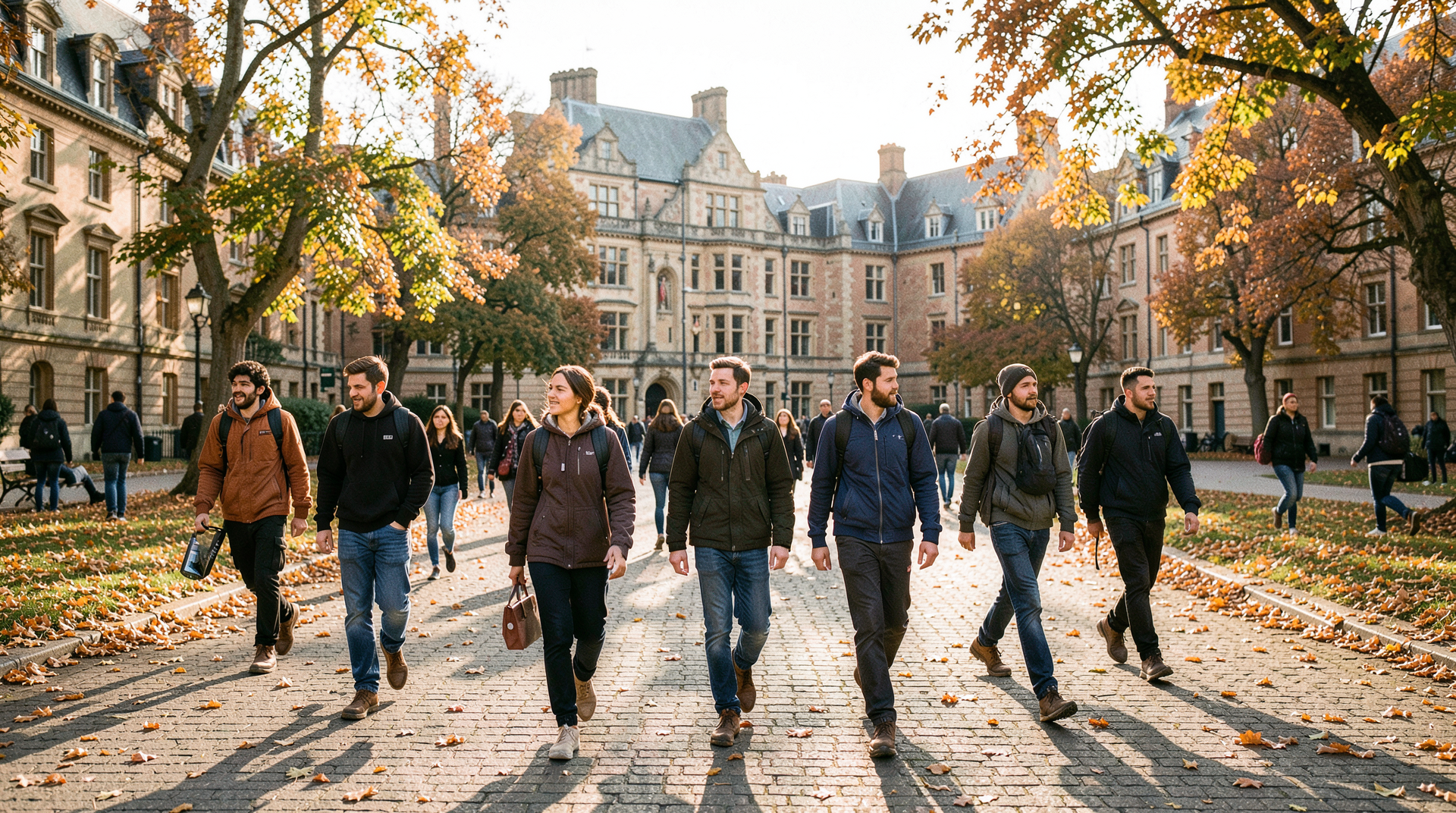
Pursuing higher education abroad can be a transformative experience, offering access to world-class institutions and diverse cultures. For many, the primary barrier is the significant cost of tuition and living expenses.
Fully funded scholarships provide a crucial pathway, covering most or all educational and living costs. However, these opportunities are highly competitive and require diligent preparation and a strategic application approach.
At a Glance
- Typical salary: Varies significantly by country and scholarship terms (often includes a stipend for living expenses)
- Visa route: Student Visa (e.g., UK Student Visa, Canadian Study Permit, US F-1 Visa)
- Processing time: 4 weeks to 6 months (for visa, after scholarship approval)
- Top requirements: Academic excellence, strong essays, language proficiency

Understanding Fully Funded Scholarships
Fully funded scholarships typically cover tuition fees, living expenses (accommodation, food, transport), health insurance, and sometimes travel costs. These scholarships are offered by governments, universities, and private organizations.
The goal of these programs is to attract top talent globally, promote international collaboration, and support students who might not otherwise afford international education. Competition for these awards is generally very high.
What ‘Fully Funded’ Means in Practice
While the term ‘fully funded’ suggests complete coverage, the exact benefits can vary. Some scholarships provide a generous stipend that allows for a comfortable student life, while others might cover only essential costs.
It is crucial to carefully review what each scholarship specifically includes. Always check the official scholarship guidelines for a detailed breakdown of covered expenses.
Realistic Timelines and Costs
The application process for fully funded scholarships and subsequent student visas is lengthy. Scholarship applications for the 2026 academic year often open in late 2024 and close in early to mid-2025.
Visa processing times can range from 4 weeks to 6 months, depending on the country and your nationality. While the scholarship covers major costs, applicants should budget for initial application fees (university applications, language tests), visa application fees (typically £348 for a UK Student Visa or CAD $150 for a Canadian Study Permit), and initial travel expenses not covered by the scholarship.
Typical Scholarship Stipends
Scholarship stipends are designed to cover living expenses and are not considered a salary in the traditional sense. These amounts vary significantly by country and city to reflect local costs of living.
Below is a general range of monthly stipends for postgraduate students in common study destinations. Undergraduate scholarships may offer different structures, sometimes including on-campus housing and meal plans directly.
| Country | Approximate Monthly Stipend Range (Local Currency) |
|---|---|
| United Kingdom | £1,200 – £1,800 (outside London) |
| Canada | CAD $1,800 – $2,500 |
| United States | $2,000 – $3,000 |
| Germany | €900 – €1,200 |
| Australia | AUD $2,500 – $3,500 |
Key Requirements for Scholarship Applications
While specific criteria vary by scholarship, several common requirements are almost universally expected. Meeting these foundational requirements is essential for a competitive application.
Strong academic records are paramount, as scholarships aim to support high-achieving students. Demonstrating a clear understanding of your chosen field and future goals is also critical.
General Eligibility Criteria
- Academic Excellence: A strong academic transcript from previous studies is fundamental. This often includes a high GPA or equivalent.
- Language Proficiency: Proof of English proficiency (e.g., IELTS, TOEFL) is almost always required for programs taught in English. Minimum scores vary by institution.
- Letters of Recommendation: Usually two to three academic or professional references are needed, speaking to your abilities and potential.
- Statement of Purpose/Personal Essay: A compelling essay outlining your academic goals, research interests, reasons for choosing the program and institution, and how the scholarship aligns with your future aspirations.
- Research Proposal (for postgraduate research): A detailed outline of your proposed research project, demonstrating originality and feasibility.
- CV/Resume: A comprehensive document detailing your academic history, work experience, publications, and extracurricular activities.
- Admission to a Program: Many scholarships require you to first gain admission to an eligible degree program at the host university.
Finding Legitimate Scholarship Opportunities
Identifying genuine fully funded scholarships requires careful research. Always prioritize official sources to avoid misinformation and scams.
While official university websites are a primary resource, government portals and reputable scholarship databases are also excellent starting points.
Official Channels for Scholarship Search
- University Websites: Directly visit the ‘Admissions’ or ‘Scholarships’ sections of universities you are interested in. Many institutions offer their own fully funded scholarships.
- Government Scholarship Portals: Countries like the UK (Chevening, Commonwealth Scholarships), Canada (Vanier Canada Graduate Scholarships, Banting Postdoctoral Fellowships), and Australia (Australia Awards Scholarships) have dedicated government-funded schemes.
- Reputable Scholarship Databases: Websites like ScholarshipPortal.com, Fastweb, and Studyportals can aggregate opportunities. Always cross-reference any interesting finds with the official source.
- Specific Program Websites: For specialized fields, look for scholarships offered by professional bodies or research councils.
How to Use Official Portals
When using university or government portals, utilize their search filters effectively. Filter by country, degree level (undergraduate, masters, PhD), field of study, and ‘fully funded’ status.
Pay close attention to eligibility criteria and application deadlines. Some scholarships are automatically considered upon university admission, while others require a separate application. You might find some parallels in the detailed application processes for certain work visas, such as those described for UK Truck Driver Jobs With Visa Sponsorship, which also emphasize meticulous documentation.
Step-by-Step Scholarship Application Process
The application process is methodical and requires significant attention to detail. Starting early is perhaps the most critical advice.
Each step builds upon the previous one, so ensure you complete each stage thoroughly and accurately.
Key Application Stages
- Research and Identify Scholarships: Begin your search for scholarships for the 2026 academic year in late 2024. Create a spreadsheet to track deadlines, requirements, and links.
- Meet University Admission Requirements: Many fully funded scholarships require you to first secure an offer of admission to a university program. Prepare your university application documents, including transcripts, essays, and language test scores.
- Prepare Language Proficiency Tests: If required, book and take IELTS or TOEFL exams well in advance. Allow time for re-takes if necessary.
- Request Letters of Recommendation: Contact your referees early, providing them with all necessary information about the scholarship and your goals.
- Craft Your Statement of Purpose/Essays: This is a critical component. Allocate ample time to write, review, and refine your essays to clearly articulate your academic journey and aspirations.
- Submit University Applications: Apply to your chosen universities, aiming for early submission.
- Submit Scholarship Applications: Once you have university offers (or concurrently, if permitted), submit your scholarship applications. Tailor each application to the specific scholarship criteria.
- Attend Interviews (if required): Some scholarships involve an interview stage. Prepare by researching the panel and practicing your responses.
- Receive Offer and Accept: If successful, carefully review the scholarship offer and formally accept it by the specified deadline.
- Apply for Student Visa: With your confirmed scholarship and university admission, proceed with your student visa application. Gather all required documents, including your Confirmation of Acceptance for Studies (CAS) for the UK, or Letter of Acceptance for Canada. Ensure you have sufficient funds for initial living costs if the scholarship stipend is paid after arrival.
The entire process, from initial research to visa approval, can easily span 12 to 18 months. Patience and persistence are key.

Frequently Asked Questions
Are fully funded scholarships only for PhD students?
No, fully funded scholarships are available at various levels, including undergraduate, master’s, and PhD. While PhD scholarships are common, many opportunities exist for master’s students, and a limited number for undergraduates, often country-specific or merit-based.
Can I work while on a fully funded scholarship?
Many student visas permit part-time work (e.g., 20 hours per week during term time) or full-time work during breaks. However, check your specific visa conditions and scholarship terms. Some scholarships may have restrictions on additional employment.
What is the difference between a scholarship and a fellowship?
The terms are often used interchangeably, but generally, scholarships are awarded based on merit or need for undergraduate or graduate study. Fellowships are typically for graduate (master’s or PhD) or postdoctoral research, often with a research component and a stipend for living expenses.
Do I need to repay a fully funded scholarship?
No, fully funded scholarships are grants that do not need to be repaid, provided you meet the terms and conditions outlined by the scholarship provider. These terms usually include maintaining academic progress and adhering to program guidelines.
How important is my personal statement for scholarship applications?
Your personal statement or essay is extremely important. It’s your opportunity to showcase your personality, motivations, and why you are the ideal candidate beyond your academic transcripts. A well-written, compelling essay can significantly boost your application.
Warning: How to Spot Scholarship and Job Scams
The promise of fully funded opportunities can attract scammers. It is vital to remain vigilant and recognize red flags that indicate a fraudulent scheme. Always verify information through official channels.
Legitimate scholarship providers and universities will never ask for payment to process your application or guarantee you a scholarship.
Common Tactics Used by Scammers
- Upfront Fees for ‘Guaranteed’ Scholarships: Be highly suspicious of any organization or individual asking for money to secure a scholarship or grant. Genuine scholarships do not require payment to apply or receive funds.
- Requests for Personal Financial Information: Never share sensitive banking details, credit card numbers, or passwords via unsecured channels or with unverified sources.
- Unsolicited Offers and ‘Too Good to Be True’ Promises: If you receive an unsolicited email or message offering a scholarship you didn’t apply for, especially if it promises guaranteed funding with minimal effort, it is likely a scam.
- Communication via Unofficial Channels: Legitimate scholarship bodies and universities will communicate through official email addresses (e.g., ending in .edu or .gov) and official websites, not through personal email accounts, WhatsApp, or Telegram.
- Pressure to Act Immediately: Scammers often create a sense of urgency, pressuring you to make quick decisions or payments without allowing time for proper verification.
- Fake Websites and Forms: Always double-check the URL of any website you visit. Scammers often create fake websites that look similar to official ones.
Remember, legitimate employers and scholarship providers never charge candidates for sponsorship or application processing. If you encounter any suspicious activity, report it to the relevant authorities and the legitimate institution being impersonated.
Conclusion
Fully funded scholarships abroad represent an incredible opportunity for international students to pursue their academic dreams without significant financial burden. However, the path to securing one is highly competitive and demanding.
Success requires exceptional academic performance, meticulous preparation, and a strategic approach to applications. While the demand is high and timelines are long, thorough research and adherence to official application processes can significantly increase your chances.
Begin your preparations early, focus on academic excellence, and always verify the legitimacy of any opportunity. This diligent approach will serve you best in navigating the complex world of international scholarships.
You May Also Like
- Canada Farm Jobs With Visa Sponsorship: TFWP and SAWP Explained
- Poland Factory Jobs for Foreigners: Work Permits, Agencies and Real Wages
- Cleaning Jobs Abroad With Visa Sponsorship: Which Countries Actually Hire
- Canada Hotel and Hospitality Jobs With Sponsorship: What Employers Really Offer
- Germany Factory Worker Visa Options: The Skilled Immigration Act Explained